
Tile vs. Carpet: Choosing the Right Floor Covering Guide
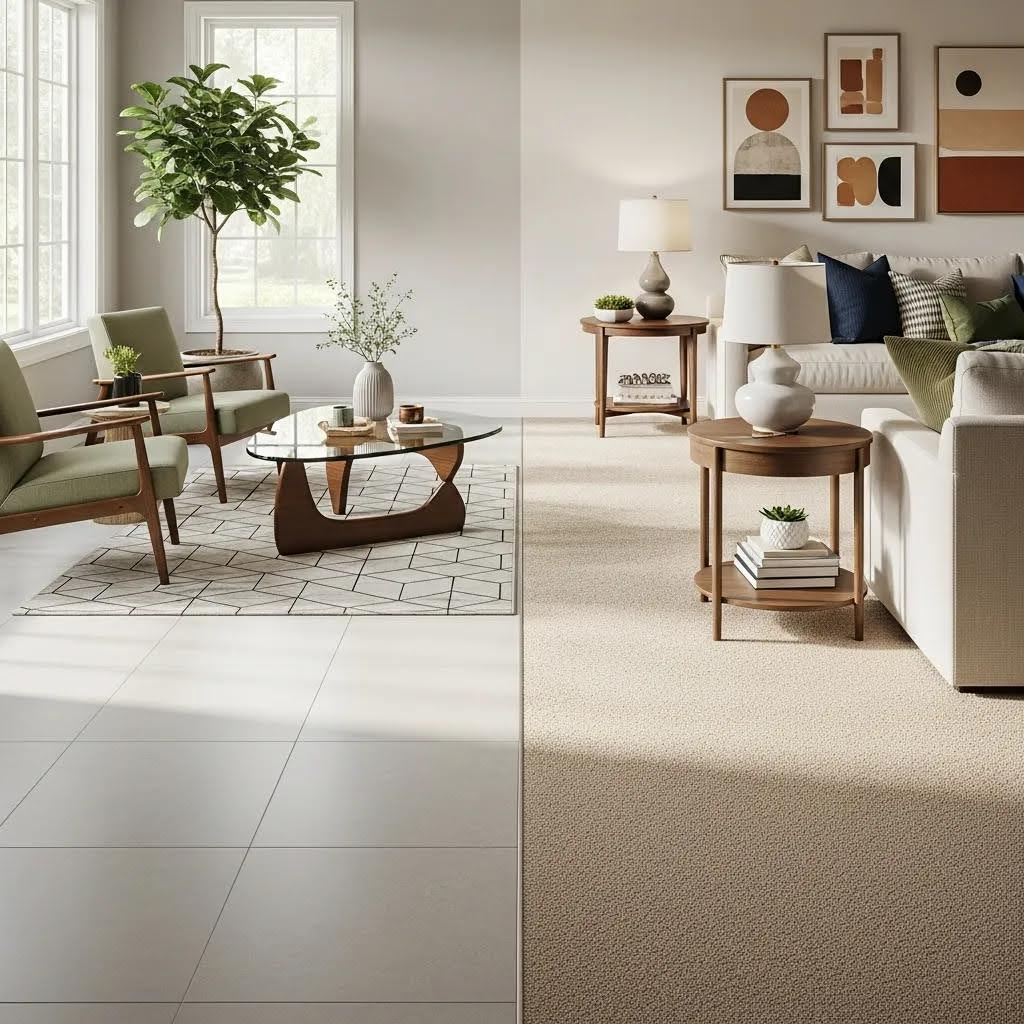
Choosing the right floor covering is a significant decision for homeowners and businesses alike, as it impacts aesthetics, functionality, and maintenance. This guide delves into the essential aspects of tile and carpet flooring, helping you make an informed choice based on your specific needs. Tile flooring is known for its durability and ease of maintenance, while carpet offers warmth and comfort. Understanding the differences between these two popular options is crucial for selecting the best flooring solution for your space. Throughout this article, we will explore key differences, types and styles available, cost comparisons, and health considerations, ensuring you have all the information needed to make the right choice.
What Are the Key Differences Between Tile Flooring and Carpet Flooring?
Tile and carpet flooring serve different purposes and come with unique characteristics that cater to various needs. Tile flooring is typically made from materials like ceramic, porcelain, or natural stone, offering durability and resistance to moisture. In contrast, carpet flooring is made from fibers such as nylon, polyester, or wool, providing a softer and warmer feel underfoot.
The choice between tile and carpet often hinges on factors such as durability, maintenance, and health considerations. For instance, tile is generally more durable and easier to clean, making it ideal for high-traffic areas. On the other hand, carpet can trap allergens and requires more frequent maintenance. Understanding these differences can help you select the right flooring for your home or business.
How Do Tile and Carpet Compare in Durability and Maintenance?
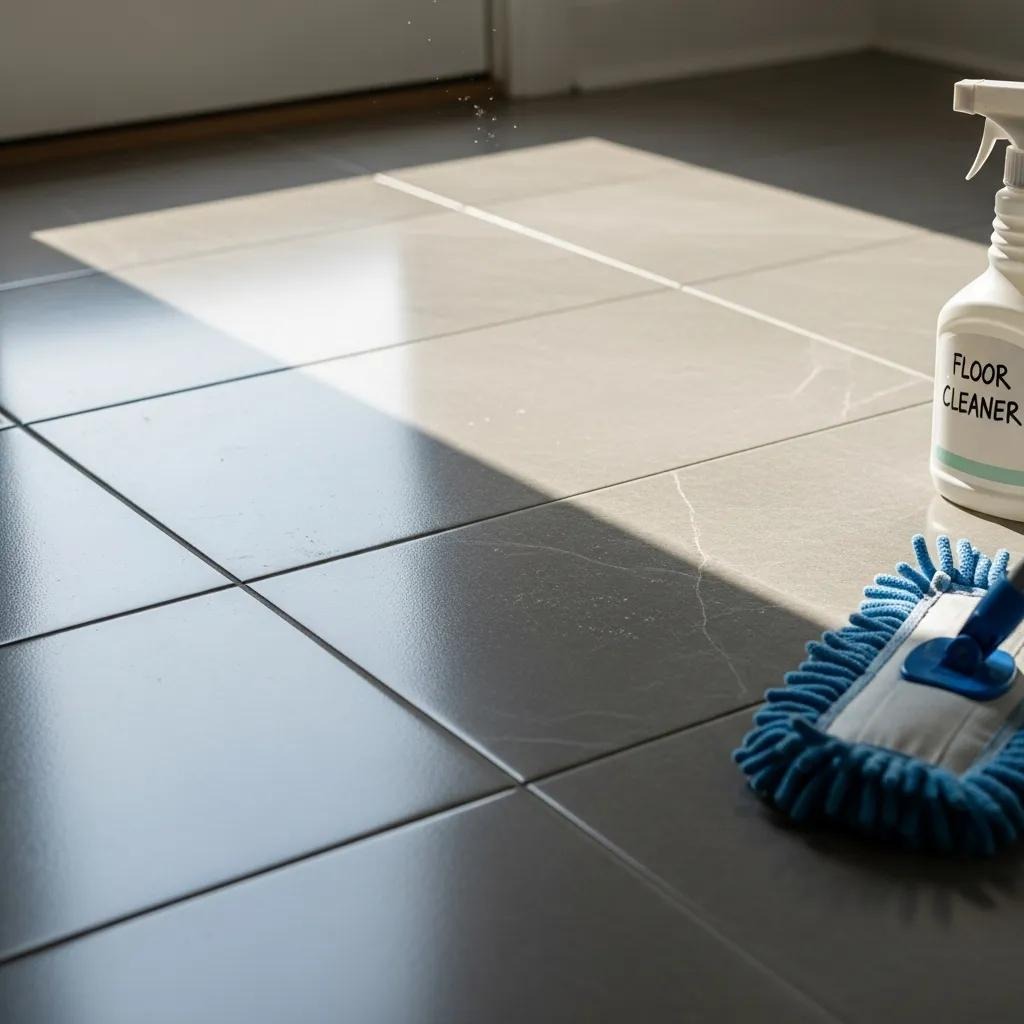
When it comes to durability, tile flooring outperforms carpet in several ways. Tile is resistant to scratches, stains, and moisture, making it suitable for areas prone to spills or heavy foot traffic. In contrast, carpet can wear down over time, especially in high-traffic zones, and may require replacement every 5 to 10 years depending on the quality and maintenance.
Maintenance is another critical factor. Tile requires minimal upkeep, often needing just regular sweeping and mopping to maintain its appearance. Carpet, however, demands more attention, including vacuuming and periodic deep cleaning to remove dirt and allergens. For those with busy lifestyles or families, tile may be the more practical choice.
Which Flooring Material Is Better for Allergy and Health Considerations?
Health considerations play a vital role in flooring selection, particularly for allergy sufferers. Tile flooring is often recommended for individuals with allergies, as it does not harbor dust mites, mold, or pet dander. Its smooth surface allows for easy cleaning, reducing the accumulation of allergens.
Conversely, carpet can trap allergens within its fibers, potentially exacerbating respiratory issues for sensitive individuals. While some carpets are designed to be hypoallergenic, they still require regular cleaning to minimize allergen buildup. Therefore, if health is a primary concern, tile flooring may be the better option.
What Types and Styles of Tile Flooring Are Available for Residential and Commercial Spaces?
Tile flooring comes in various types and styles, making it a versatile choice for both residential and commercial applications. The most common types include ceramic, porcelain, and natural stone tiles, each offering distinct benefits.
Ceramic tiles are cost-effective and available in numerous designs, making them suitable for various aesthetics. Porcelain tiles are denser and more durable, ideal for high-traffic areas and moisture-prone spaces. Natural stone tiles, such as granite, marble, slate, or travertine, provide unique aesthetics and are often used in luxury settings.
What Are the Benefits of Ceramic, Porcelain, and Natural Stone Tiles?
Each type of tile offers unique advantages:
- Ceramic Tiles: Affordable and versatile, ceramic tiles come in various colors and patterns, making them suitable for any decor style.
- Porcelain Tiles: Known for their durability and water resistance, porcelain tiles are perfect for bathrooms and kitchens, where moisture is a concern.
- Natural Stone Tiles: Offering a unique and luxurious look, natural stone tiles are ideal for high-end applications but require more maintenance to preserve their appearance.
These options allow homeowners and businesses to choose the best tile type based on their specific needs and preferences.
How Does Tile Flooring Suit Different Commercial and Residential Applications?
Tile flooring is highly adaptable, making it suitable for various environments. In residential settings, tile is often used in kitchens, bathrooms, and entryways due to its durability and ease of cleaning. In commercial spaces, tile is favored for its ability to withstand heavy foot traffic and its low maintenance requirements.
For example, retail stores often utilize tile flooring for its aesthetic appeal and durability, while restaurants benefit from its resistance to spills and stains. Understanding the specific applications of tile can help you make an informed decision for your space.
What Are the Popular Carpet Flooring Options and Their Installation Services in Sacramento?
Carpet flooring offers a range of options that cater to different preferences and needs. Popular materials include nylon, polyester, and wool, each providing distinct benefits. Nylon is known for its durability and resilience, making it suitable for high-traffic areas. Polyester, on the other hand, is softer and more comfortable, ideal for bedrooms and living spaces. Wool is a natural fiber that offers excellent insulation and comfort but requires more maintenance.
In Sacramento, professional installation services are available to ensure that your carpet is laid correctly, enhancing its lifespan and appearance. On Point Flooring specializes in carpet installation, providing expert services to meet your flooring needs.
Which Carpet Materials and Styles Are Best for Durability and Comfort?
When selecting carpet materials, consider the following options:
- Nylon: Highly durable and resistant to wear, making it ideal for busy households or commercial spaces.
- Polyester: Soft and comfortable, offering a luxurious feel underfoot, perfect for residential applications.
- Wool: Natural and eco-friendly, wool carpets provide excellent insulation and comfort but may require more maintenance.
Choosing the right material based on your lifestyle and preferences can significantly impact your satisfaction with your flooring choice.
How Does On Point Flooring Provide Professional Carpet Installation and Wholesale Services?

On Point Flooring offers professional carpet installation services, ensuring that your new flooring is installed correctly and efficiently. Their team of experts understands the nuances of different carpet types and can recommend the best options for your space. Additionally, On Point Flooring provides wholesale pricing on a wide selection of carpet materials, making it easier for homeowners and businesses to find quality flooring solutions at competitive prices.
How Do Tile and Carpet Flooring Compare in Cost, Installation Process, and Lifespan?
Cost is a significant factor when choosing between tile and carpet flooring. Generally, tile installation is more expensive due to the materials and labor involved. However, the longevity of tile often offsets the initial investment, as it can last 20 years or more with proper maintenance. In contrast, carpet typically lasts between 5 to 10 years, depending on the quality and maintenance.
What Are Typical Installation Costs and Timeframes for Tile vs. Carpet?

These factors should be considered when budgeting for your flooring project, as they can impact your overall investment.
How Long Can You Expect Tile and Carpet Flooring to Last with Proper Maintenance?
With proper maintenance, tile flooring can last over 20 years, making it a long-term investment. Carpet, while comfortable, typically has a lifespan of 5 to 10 years, depending on the material and usage. Regular cleaning and care can extend the life of both flooring types, but understanding their inherent durability is crucial for making an informed choice.
What Environmental and Health Factors Should Influence Your Choice Between Tile and Carpet?
Environmental and health considerations are increasingly important in flooring selection. Tile flooring is often seen as a more eco-friendly option, as it can be made from natural materials and is recyclable. Additionally, tile does not emit volatile organic compounds (VOCs), making it a healthier choice for indoor air quality.
Carpet, while comfortable, can sometimes contain VOCs and other chemicals that may affect indoor air quality. However, many manufacturers now offer eco-friendly and low-VOC carpet options that minimize these concerns.
How Do Eco-Friendly and Hypoallergenic Flooring Options Compare?
When considering eco-friendly and hypoallergenic options, it's essential to evaluate the materials used in flooring products. Eco-friendly tiles are often made from sustainable materials and can contribute to LEED certification for green buildings. Hypoallergenic carpets are designed to reduce allergens and improve indoor air quality, making them suitable for sensitive individuals.
What Are the Benefits of Flooring Choices for Indoor Air Quality and Smart Home Integration?
Choosing the right flooring can significantly impact indoor air quality. Tile flooring, with its non-porous surface, does not trap dust and allergens, promoting a healthier living environment. Additionally, many modern flooring options can integrate with smart home technology, allowing for enhanced control over heating and cooling, which can further improve air quality.
Where Can You Find Wholesale Flooring Options and Expert Installation Services in the Greater Sacramento Area?
For those seeking quality flooring solutions in the Greater Sacramento area, On Point Flooring offers a wide selection of wholesale flooring options, including both tile and carpet. Their expertise in flooring installation ensures that you receive professional service tailored to your specific needs.
What Wholesale Pricing and Product Selection Does On Point Flooring Offer?
On Point Flooring provides competitive wholesale pricing on a variety of flooring products, including tile and carpet. Their extensive selection allows customers to find the perfect flooring solution for their home or business without breaking the bank.
How Can You Request a Quote and Schedule Professional Installation with On Point Flooring?
Requesting a quote and scheduling installation with On Point Flooring is straightforward. Interested customers can contact their team to discuss flooring options, receive a personalized quote, and arrange for professional installation services. This streamlined process ensures that you can quickly and efficiently enhance your space with quality flooring.