
How to Plan Commercial Floor Removal Without Shutting Down Your Business
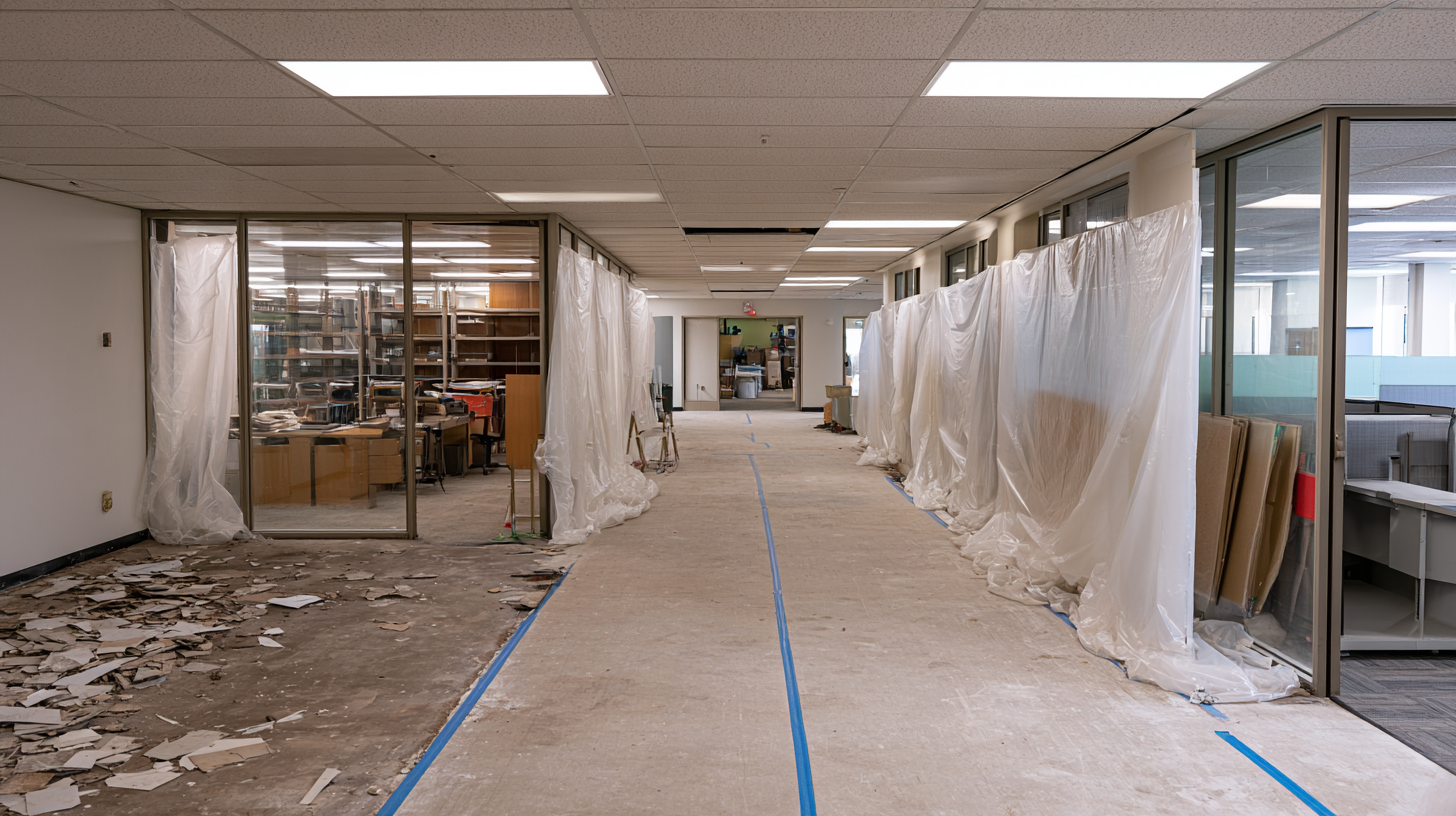
Replacing commercial flooring is rarely as simple as closing the doors and clearing the building. Employees may still need work areas, customers may need access, and equipment, inventory, or tenants may be difficult to relocate.
A well-planned floor-removal project focuses on more than demolition. It coordinates phasing, safety, dust, noise, access, debris, substrate preparation, and the installation that follows.
Start With the Business Schedule
Before selecting equipment or crew size, identify when the space is busiest and which functions cannot stop.
The planning conversation should cover:
- Operating hours and acceptable work windows.
- Customer, employee, tenant, and delivery access.
- Areas that must remain open.
- Security and alarm procedures.
- Noise-sensitive activities.
- Building rules, elevators, loading areas, and parking.
- The new flooring installation schedule.
Some projects work best after hours or over weekends. Others are divided into phases so operations can shift from one area to another.
Divide the Project Into Work Zones
Phasing allows a business to remain partially operational, but the sequence must be realistic. Each zone needs enough space for equipment, removal, debris collection, preparation, inspection, and installation.
The plan should avoid trapping staff or materials behind the active work area. It should also preserve safe paths to exits, restrooms, entrances, and essential rooms.
Moving repeatedly between small areas can reduce efficiency, so the contractor and business should balance operational needs with productive crew movement.
Plan for Furniture, Fixtures, and Equipment
Desks, shelving, displays, machinery, appliances, and inventory can slow removal when responsibilities are unclear.
Before the project begins, confirm:
- What the business will move.
- What the flooring crew is expected to move.
- Which items require a specialty vendor.
- Where relocated items will be stored.
- When each cleared zone must be ready.
- Whether fixed casework affects flooring edges.
Sensitive electronics and equipment should be protected according to their manufacturers’ requirements and the facility’s policies.
Control Dust and Debris
Commercial floor removal can involve carpet, tile, vinyl, hardwood, adhesive, mortar, and underlayment. Each material creates different dust, debris, and handling needs.
The contractor may use vacuum-connected equipment, temporary barriers, localized containment, frequent debris collection, and defined haul-out routes. The plan should account for shared hallways, elevators, finished areas, neighboring tenants, and public entrances.
No demolition is completely dust-free. Clear containment and cleanup expectations are more useful than vague promises.
Manage Noise and Vibration
Mechanical removal equipment can create noise and vibration that travel beyond the immediate work zone. This matters in offices, medical or professional buildings, hospitality spaces, multifamily properties, and businesses that rely on phone conversations.
Ask when the loudest work will occur and whether it can be scheduled outside sensitive hours. Notify affected occupants in advance when appropriate.
If the building has special restrictions, provide them before the contractor develops the schedule.
Protect Customers and Employees
The work zone should be separated from normal traffic. Temporary barriers, signs, protected walkways, and coordinated access help prevent people from entering areas with equipment, exposed substrates, sharp debris, cords, or adhesive residue.
Emergency routes and accessibility requirements must remain part of the plan. The business and contractor should agree on who communicates closures, route changes, and reopening times.
What Happens Under the Existing Floor?
Removal exposes the actual slab or subfloor. The crew may discover:
- Stubborn adhesive or mortar.
- Cracks, high spots, or low areas.
- Moisture staining or failed adhesive.
- Damaged wood panels.
- Several flooring layers.
- Patches from earlier tenant improvements.
- Differences between adjoining rooms.
The new flooring determines how these conditions must be addressed. A floating plank, glue-down product, carpet system, and tile installation do not require identical surface preparation.
Build Inspection Time Into the Schedule
If the schedule assumes new flooring will begin immediately after demolition, an unexpected substrate condition can disrupt the entire plan.
Include a checkpoint after removal so the exposed surface can be evaluated. The project team can then confirm preparation work, drying or cure time, material delivery, and the next zone’s start date.
This is also where having one team coordinate removal and installation can simplify the handoff.
Ask for a Detailed Scope
A commercial floor-removal proposal should clearly identify:
- Materials and areas included.
- Work hours and project phases.
- Furniture or equipment responsibilities.
- Dust-control and protection measures.
- Debris collection and haul-off.
- Adhesive, mortar, and underlayment removal.
- Expected substrate condition at completion.
- Excluded repairs or additional preparation.
- Coordination with the new flooring installer.
A detailed scope helps the business plan operations and compare proposals accurately.
Keep the Project Moving Without Guesswork
Commercial floor removal can be completed with limited disruption when the plan reflects how the business actually operates. The key is agreeing on zones, access, safety, cleanup, and surface requirements before demolition starts.
On Point Flooring provides Commercial Floor Removal across Greater Sacramento, including tile, carpet, vinyl, hardwood, adhesive removal, concrete preparation, and debris haul-off. Businesses that need continued support can review Flooring Installation Services as part of the same project. Get your floor removal price to discuss the site, operating schedule, and required phasing.
Old floor coming out? We price it in your home, and that's the price you pay.
Get your floor removal price.
We come to you across Sacramento, Placer and El Dorado counties. Rather talk it through? Call (916) 542-3333. We get back to you within one business day.
Sacramento County
Sacramento, Elk Grove, Folsom, Rancho Cordova, Citrus Heights
Placer County
Roseville, Rocklin, Lincoln, Loomis, Granite Bay, Auburn
El Dorado County
El Dorado Hills, Cameron Park, Placerville, Shingle Springs