
Essential Tile Flooring Maintenance Tips You Need
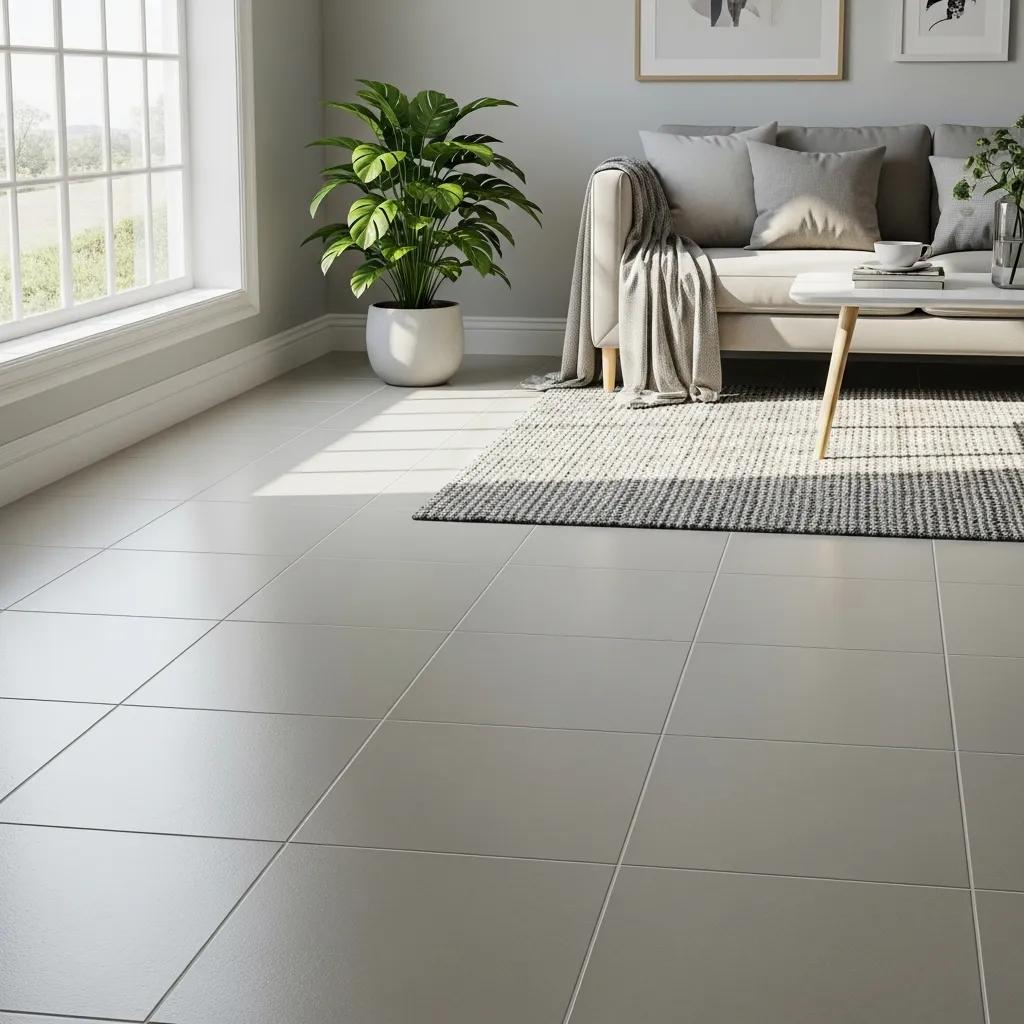
Maintaining tile flooring is essential for preserving its beauty and longevity. Proper care not only enhances the aesthetic appeal of your home but also prevents costly repairs down the line. This article will provide you with essential tile flooring maintenance tips, focusing on effective cleaning methods, product recommendations, and DIY maintenance steps. Many homeowners struggle with keeping their tile floors in pristine condition, often leading to premature wear and tear. By following these guidelines, you can ensure your tile floors remain vibrant and durable for years. We will cover effective cleaning methods, the best products for tile care, regular maintenance steps, common mistakes to avoid, seasonal maintenance practices, and best practices for grout cleaning and sealing.
Indeed, the long-term economic and environmental benefits of consistent flooring maintenance are often underestimated, playing a crucial role in a floor's overall life cycle.
Flooring Maintenance Impact: Economic & Environmental Benefits of Proper Cleaning
Most life cycle assessment (LCA) studies for flooring exclude the environmental and economic impacts incurred from the maintenance required due to uncertainty in average cleaning procedures, although some studies indicate that it may be the most significant component of the life cycle. This study investigates the impacts of maintenance on types of flooring and develops a single scoring system to compare floors based on both environmental and economic impacts.
Impact of maintenance on life cycle impact and cost assessment for residential flooring options, 2015
What Are the Most Effective Tile Floor Cleaning Methods?
Effective tile floor cleaning methods are crucial for maintaining the appearance and integrity of your flooring. Regular cleaning helps remove dirt, grime, and stains that can accumulate over time. The most effective methods include regular sweeping or vacuuming, occasional mopping with appropriate cleaners, and prompt cleaning of spills to prevent staining. These practices not only keep your floors looking great but also extend their lifespan.
How to Clean Different Types of Tile Floors Safely
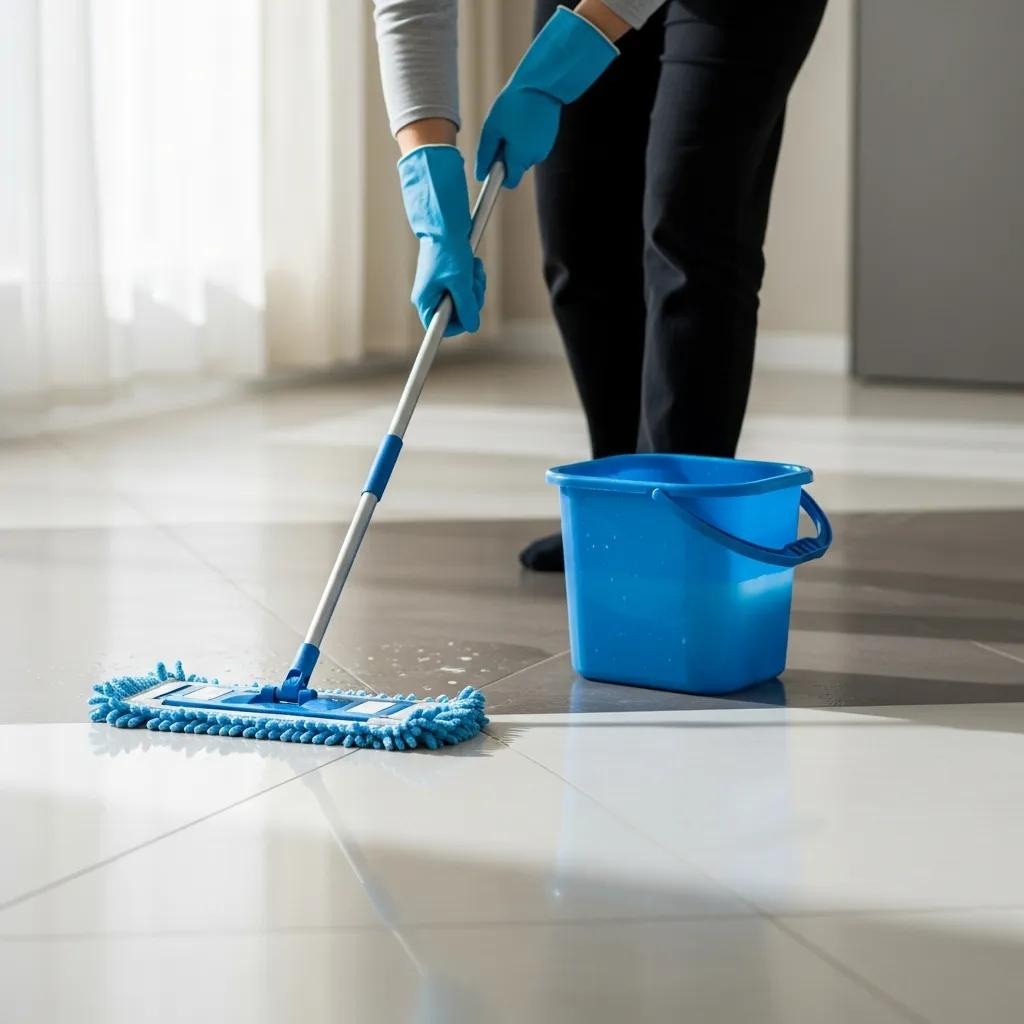
Cleaning different types of tile floors requires specific techniques to ensure safety and effectiveness. For ceramic and porcelain tiles, a damp mop with a mild detergent is usually sufficient. Natural stone tiles, however, require special care; using pH-neutral cleaners is essential to avoid damaging the surface. Additionally, always test any cleaning solution in a small, inconspicuous area before applying it to the entire floor. This approach helps prevent any adverse reactions that could harm your tiles.
Further research highlights the importance of selecting appropriate detergents, especially for natural stone like granite, to maintain both appearance and longevity.
Detergent Cleaning for Granite Flooring Tiles: Appearance & Longevity
Polished granite cladding tiles are very popular for use as flooring material in private and public buildings. These tiles are often treated by mechanical cleaning with detergents and scrubbers, and anionic detergents without chelating agents are usually used to prevent damaging the material. In this study, the anionic detergent Teepol® was applied to granite tiles in order to determine the effect of the treatment on the surface properties of this stone, i.e. appearance, colour, gloss, roughness and hydrophobicity.
Evaluation of side effects of mechanical cleaning with an anionic detergent on granite cladding tiles, MFC Pereira, 2021
Which Natural and Eco-Friendly Cleaning Agents Work Best?

Natural and eco-friendly cleaning agents are excellent alternatives to harsh chemicals, providing effective cleaning without the negative environmental impact. Common options include vinegar, baking soda, and essential oils. Vinegar can effectively cut through grime, while baking soda serves as a gentle abrasive for tougher stains. Essential oils not only add a pleasant scent but also possess antibacterial properties. When using these natural cleaners, it's important to dilute them properly and avoid using vinegar on natural stone tiles, as it can cause etching.
Which Are the Best Tile Floor Cleaning Products for Durable Results?
Choosing the right cleaning products is vital for achieving durable results in tile maintenance. Look for products specifically designed for your type of tile, as they will provide the best care without causing damage. High-quality cleaners should effectively remove dirt and stains while being safe for both the tile and grout.
How to Choose Cleaning Products That Protect Tile and Grout
When selecting cleaning products, consider the following criteria to ensure they protect your tile and grout:
- pH Balance: Opt for pH-neutral cleaners to avoid damaging the tile surface.
- Non-Abrasive Formulas: Choose products that won't scratch or dull the finish of your tiles.
- Grout-Safe Options: Ensure the cleaner is safe for use on grout to prevent discoloration or degradation.
What Are Recommended Commercial and Wholesale Cleaners Available Locally?
For those seeking effective commercial and wholesale cleaners, several options are available locally. Brands like Zep and Bona offer a range of tile and grout cleaners that are well-reviewed for their effectiveness. These products are designed to tackle tough stains while being safe for various tile types. Always check product labels for specific usage instructions and safety information to ensure optimal results.
How Can You Maintain Tile Floors Through Regular DIY Steps?
Regular DIY maintenance is key to keeping your tile floors in excellent condition. Simple steps can significantly enhance the longevity and appearance of your flooring.
What Are Step-by-Step Instructions for Routine Tile Floor Care?
To maintain your tile floors effectively, follow these step-by-step instructions:
- Sweep or Vacuum: Remove loose dirt and debris daily to prevent scratches.
- Mop Weekly: Use a damp mop with a suitable cleaner to remove grime.
- Spot Clean: Address spills immediately to prevent staining.
- Reseal Grout: Every 6-12 months, apply a grout sealer to protect against moisture and stains.
How Often Should You Perform Each Maintenance Task?
The frequency of maintenance tasks can vary based on foot traffic and usage. Here’s a general guideline:
- Daily: Sweep or vacuum to remove dirt.
- Weekly: Mop with a suitable cleaner.
- Monthly: Inspect grout for wear and reseal if necessary.
- Seasonally: Deep clean and assess for any repairs needed.
What Are Common Tile Floor Cleaning Mistakes to Avoid?
Avoiding common cleaning mistakes is crucial for maintaining the integrity of your tile floors. Many homeowners inadvertently damage their tiles through improper cleaning techniques.
Why Should You Avoid Using Vinegar and Harsh Chemicals?
Using vinegar and harsh chemicals can lead to significant damage, especially on natural stone tiles. Vinegar can etch and dull the surface, while harsh chemicals may degrade grout and tile finishes. Instead, opt for pH-neutral cleaners that are safe for your specific tile type.
How Can Improper Grout Care Affect Tile Longevity?
Neglecting grout care can lead to serious issues, including water damage and mold growth. Grout acts as a barrier against moisture, and when it deteriorates, it can allow water to seep beneath the tiles, causing damage. Regular cleaning and resealing of grout lines are essential to prevent these problems and extend the life of your tile flooring.
How Should Seasonal Tile Floor Maintenance Be Performed?
Seasonal maintenance is essential for adapting to changing weather conditions and ensuring your tile floors remain in top shape throughout the year.
What Seasonal Cleaning and Sealing Steps Extend Tile Life?
To extend the life of your tile floors, consider these seasonal cleaning and sealing steps:
- Spring: Deep clean and reseal grout to protect against moisture.
- Summer: Check for any cracks or damage and repair as needed.
- Fall: Prepare for winter by ensuring all tiles are sealed and protected.
- Winter: Regularly remove snow and salt to prevent damage from moisture.
How Does Sacramento’s Climate Influence Tile Floor Care?
Sacramento's climate, characterized by hot summers and mild winters, can impact tile maintenance. The heat can cause tiles to expand and contract, leading to potential cracking. Regular inspections and maintenance are crucial to address any issues before they worsen. Additionally, using appropriate sealants can help protect against the effects of temperature fluctuations.
What Are Best Practices for Tile Grout Cleaning and Sealing?
Maintaining grout is essential for the overall appearance and durability of your tile floors. Proper cleaning and sealing practices can prevent discoloration and damage.
How to Remove Grout Stains Effectively and Safely?
To remove grout stains effectively, use a mixture of baking soda and water to create a paste. Apply it to the stained area, let it sit for a few minutes, and scrub gently with a soft brush. Rinse thoroughly with water to remove any residue. This method is safe for most grout types and helps restore its original color.
When and How Should You Seal Grout to Prevent Damage?
Sealing grout should be done every 6-12 months, depending on usage and exposure to moisture. To seal grout effectively, first clean the grout lines thoroughly. Once dry, apply a high-quality grout sealer using a small brush or applicator. Allow it to dry completely before using the area to ensure maximum protection against stains and moisture. For more information on tile flooring, visit our website.