
Comprehensive Commercial Tile Flooring Options That Transform Spaces
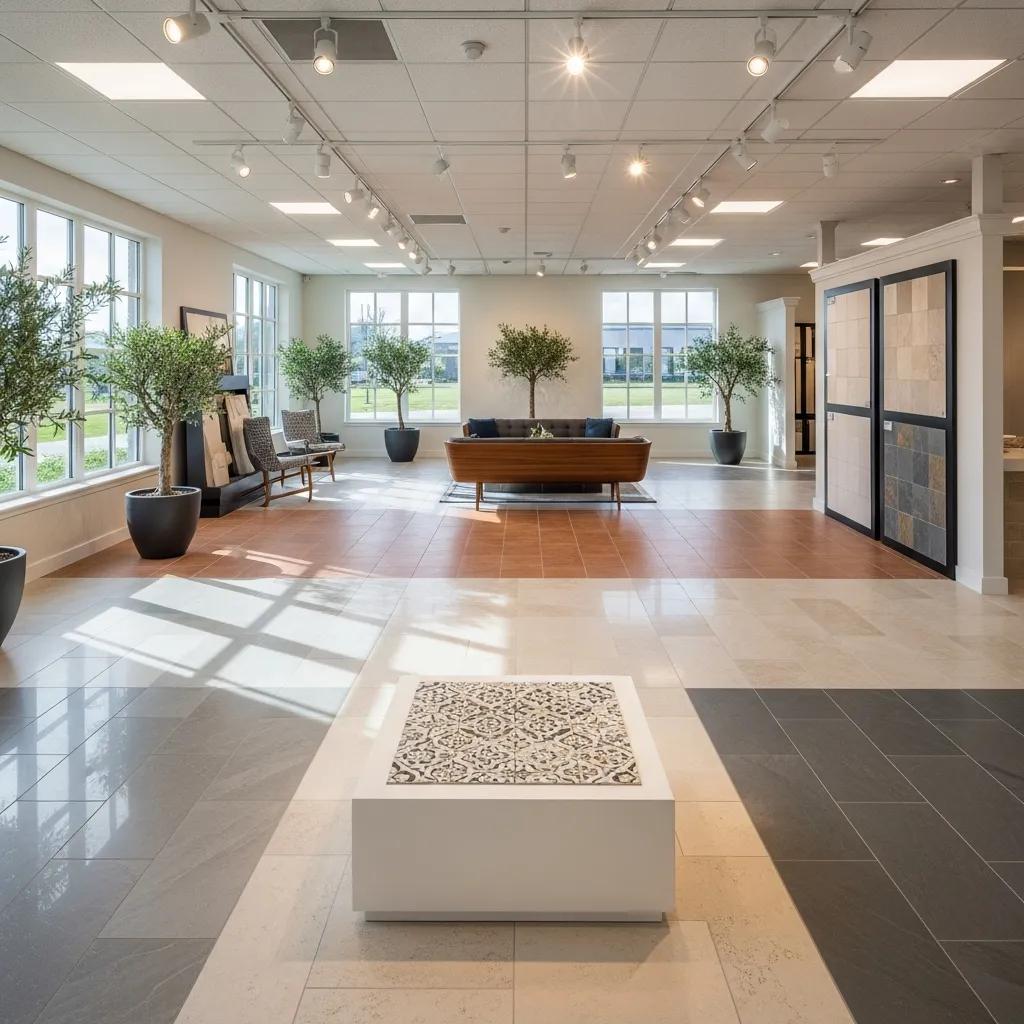
Commercial tile flooring is a versatile and durable solution that can significantly enhance the aesthetic and functional aspects of business environments. With a variety of materials available, businesses can choose options that not only withstand heavy foot traffic but also align with their design vision. This article will explore the best durable commercial tile materials, installation costs, design trends, maintenance tips, and the services offered by On Point Flooring, a leading provider in Sacramento. Understanding these elements can help businesses make informed decisions that elevate their spaces while ensuring longevity and style.
Indeed, selecting the right commercial flooring involves a careful balance of various critical factors beyond just aesthetics.
Key Factors for Commercial Flooring: Durability & Maintenance
Factors to consider are the function of the space, durability, safety, environmental quality and the ability to clean and maintain the flooring properly. Environmental quality factors include
Life-cycle cost analysis (LCCA): a comparison of commercial flooring, D Harris, 2017
What Are the Best Durable Commercial Tile Materials for Business Spaces?
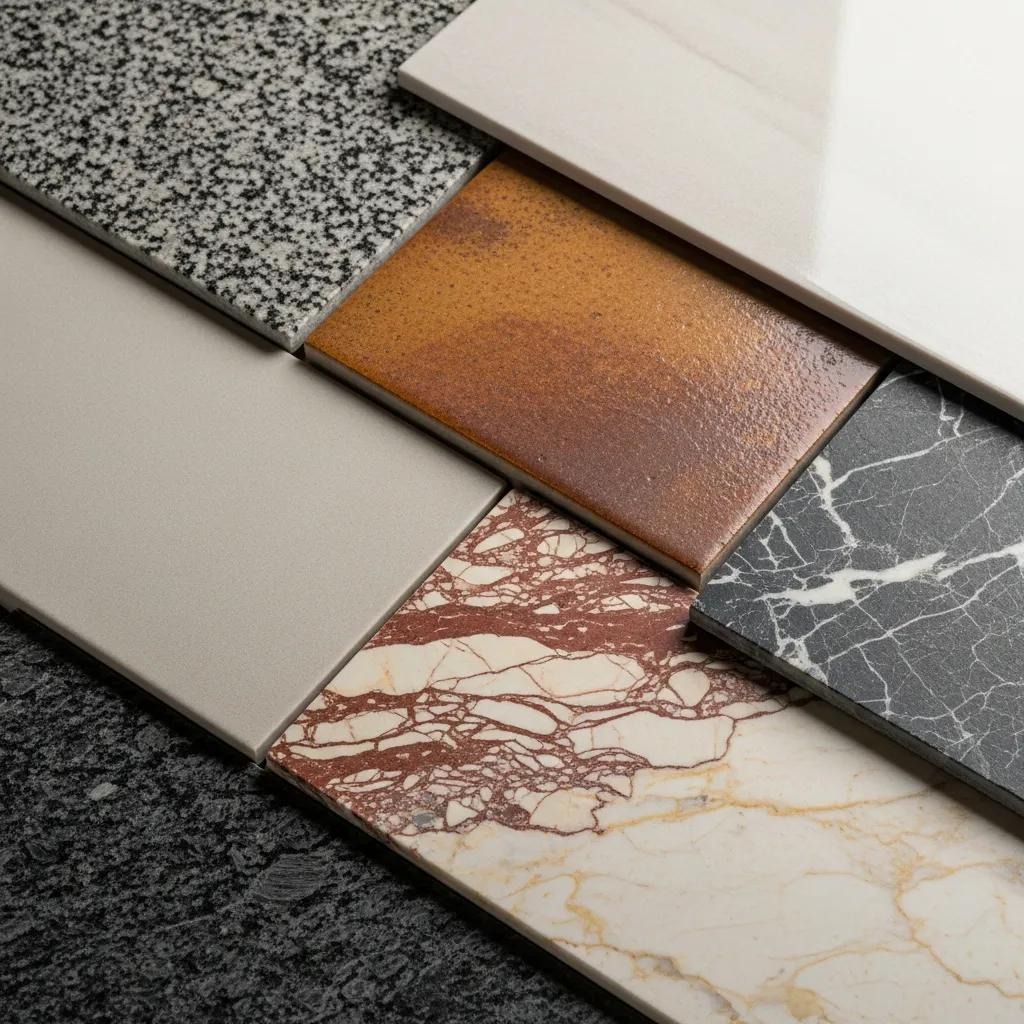
When selecting flooring for commercial spaces, durability is paramount. The best durable commercial tile materials include porcelain, ceramic, and natural stone tiles, each offering unique benefits tailored to different environments. Porcelain tiles are known for their density and resistance to moisture, making them ideal for high-traffic areas. Ceramic tiles provide versatility in design and are easier to install, while natural stone tiles, such as granite and slate, offer a luxurious aesthetic and exceptional durability.
The prominence of porcelain tiles in commercial settings is further underscored by their continuous innovation and environmental considerations.
Porcelain Stoneware: Commercial Tile Innovation & Environmental Profile
1. Porcelain stoneware tile (PST) is currently the ceramic tile of greatest commercial and innovation interest. An environmental life cycle assessment of different varieties of PST was undertaken to enable hotspots to be identified, strategies to be defined, differences between PST varieties to be evaluated and guidance for PST manufacturers to be provided in choosing the Environmental Product Declaration (EPD) programme that best suited their needs according to grouping criteria.
Environmental profile of Spanish porcelain stoneware tiles, E Monfort, 2018
How Do Porcelain, Ceramic, and Quarry Tiles Compare in Durability and Design?
Porcelain tiles are denser and more durable than ceramic tiles, making them suitable for areas with heavy foot traffic. They are also less porous, which helps prevent staining and moisture damage. Ceramic tiles, while versatile and available in various designs, may not withstand the same level of wear and tear as porcelain. Quarry tiles, often used in commercial kitchens, are slip-resistant and durable, making them a practical choice for safety and functionality.
What Are the Benefits of Eco-Friendly Tile Materials in Commercial Settings?
Eco-friendly tile materials, such as recycled glass and sustainably sourced natural stone, offer several advantages in commercial settings. These materials contribute to sustainability efforts, reducing the environmental impact of flooring choices. Additionally, eco-friendly tiles often have lower VOC emissions, improving indoor air quality. Their durability and ease of maintenance also make them a cost-effective option in the long run, appealing to businesses focused on health and sustainability.
How Does Commercial Tile Installation Cost Vary and What Influences Pricing?
The cost of commercial tile installation can vary significantly based on several factors, including the type of tile selected, the complexity of the installation, and the size of the project. Generally, porcelain tiles tend to be more expensive due to their durability and aesthetic appeal, while ceramic tiles are often more budget-friendly. Understanding these factors can help businesses budget effectively for their flooring projects.
A thorough cost and performance analysis is crucial for making informed decisions about commercial flooring investments.
Commercial Flooring Selection: Cost & Performance Analysis
The flooring tested with this protocol provides evidence to inform flooring selection based on lowest cost while considering other factors that inform appropriate selection of flooring
Life-cycle cost analysis (LCCA): a comparison of commercial flooring, D Harris, 2017
What Factors Affect the Cost of Commercial Tile Installation?
Several key factors influence the cost of commercial tile installation:
- Type of Tile: Different materials have varying costs, with porcelain typically being more expensive than ceramic.
- Project Size: Larger projects may benefit from bulk pricing, reducing the overall cost per square foot.
- Installation Complexity: Complex designs or patterns can increase labor costs due to the additional time and skill required.
How Can Businesses Budget Effectively for Tile Flooring Projects?
To budget effectively for tile flooring projects, businesses should consider all cost factors, including materials, labor, and potential unexpected expenses. Obtaining multiple quotes from contractors can provide a clearer picture of the overall costs. Additionally, planning for contingencies, such as subfloor repairs or design changes, can help avoid budget overruns.
What Are the Latest Commercial Tile Design Trends That Enhance Business Environments?
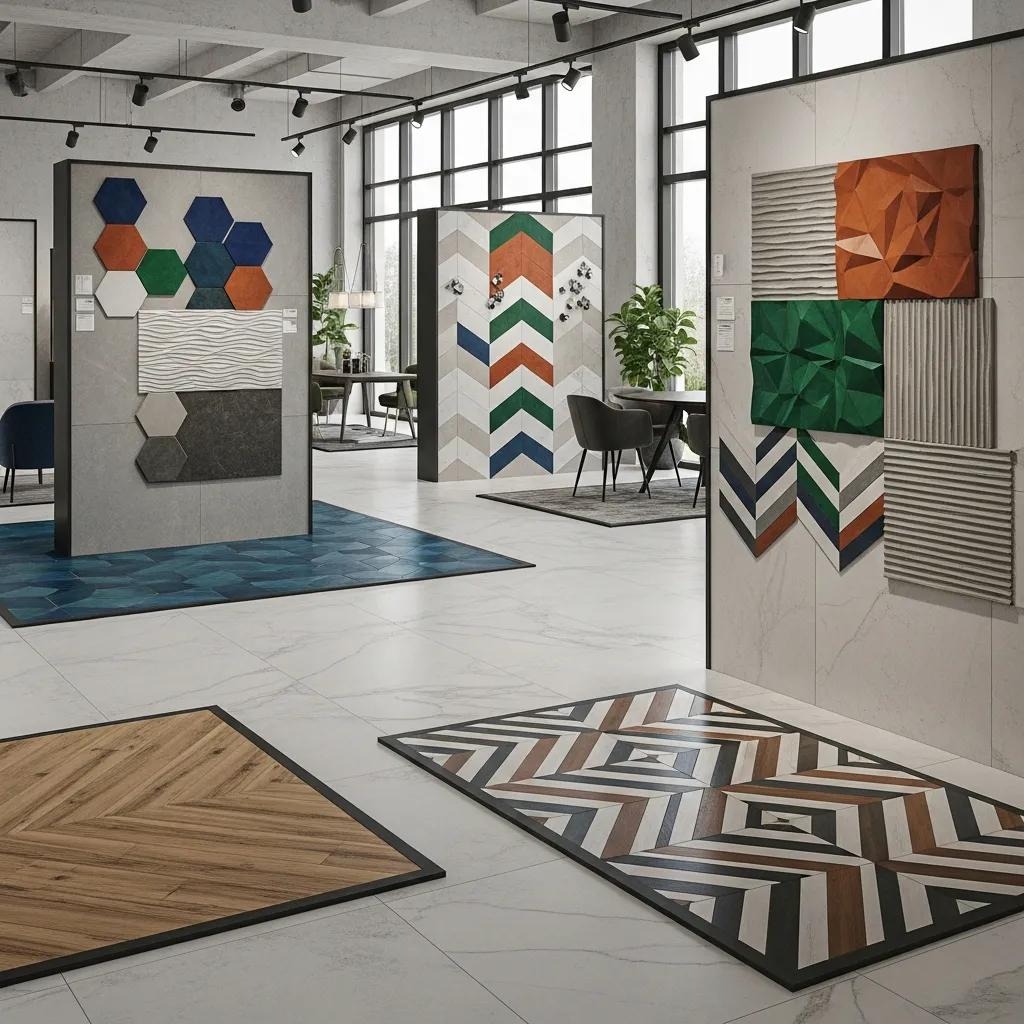
Staying updated with the latest design trends is essential for businesses looking to create inviting and functional spaces. Current trends in commercial tile design include the use of bold colors, textured surfaces, and custom patterns that reflect brand identity. These design elements not only enhance aesthetics but also contribute to a positive customer experience.
Which Tile Styles and Patterns Are Popular in 2025-2026?
In 2025-2026, popular tile styles include large-format tiles that create a seamless look and geometric patterns that add visual interest. Textured tiles are also gaining traction, providing depth and dimension to floors. Businesses are increasingly opting for tiles that mimic natural materials, such as wood or stone, to achieve a sophisticated appearance without compromising durability.
How Can Design-Forward Tiles Improve Commercial Space Aesthetics?
Design-forward tiles can significantly enhance the aesthetics of commercial spaces by offering unique visual elements that attract customers. For instance, incorporating custom patterns can create a memorable brand experience, while the use of high-quality materials ensures longevity and ease of maintenance. These design choices not only improve the overall look of a space but also contribute to a positive atmosphere that encourages customer engagement.
How Should Businesses Maintain Commercial Tile Flooring for Longevity and Appearance?
Proper maintenance is crucial for ensuring the longevity and appearance of commercial tile flooring. Regular cleaning and prompt spill management can prevent damage and maintain the tiles' aesthetic appeal. Additionally, resealing grout lines periodically can protect against stains and moisture infiltration.
What Are the Recommended Maintenance Practices for Different Tile Types?
Different tile types require specific maintenance practices to ensure their longevity:
- Ceramic Tiles: Regular sweeping and mopping with a pH-neutral cleaner are recommended to maintain their appearance.
- Porcelain Tiles: These tiles are low-maintenance but should be cleaned with non-abrasive cleaners to avoid scratching.
- Natural Stone Tiles: Require sealing every 6-12 months to protect against stains and moisture.
How Often Should Commercial Tiles Be Serviced or Replaced?
The frequency of servicing or replacing commercial tiles depends on several factors, including foot traffic and maintenance practices. Generally, tiles should be inspected annually for signs of wear, and any damaged tiles should be replaced promptly to prevent further issues. With proper care, high-quality tiles can last for decades, making them a worthwhile investment for businesses.
What Wholesale Tile Sales and Installation Services Does On Point Flooring Offer in Sacramento?
On Point Flooring specializes in both wholesale tile sales and installation services, providing a comprehensive solution for businesses in Sacramento. Their extensive selection includes various tile types, ensuring that clients can find the perfect match for their needs.
How Does On Point Flooring Combine Wholesale and Installation for Commercial Clients?
On Point Flooring offers a unique combination of wholesale and installation services, allowing businesses to access premium materials at competitive prices. Their team provides consultation and measurement services to ensure that clients receive tailored solutions that meet their specific requirements. This integrated approach simplifies the flooring process, making it easier for businesses to achieve their desired results.
What Local Expertise Does On Point Flooring Provide for Sacramento Businesses?
With years of experience in the Sacramento market, On Point Flooring understands the unique needs of local businesses. Their commitment to quality and customer service ensures that clients receive the best possible flooring solutions. Additionally, their knowledge of local building codes and regulations helps businesses navigate the installation process smoothly, ensuring compliance and satisfaction.