
Porcelain vs Ceramic Tile Flooring: Expert Guide to Choosing the Right Tile for Your Home or Business
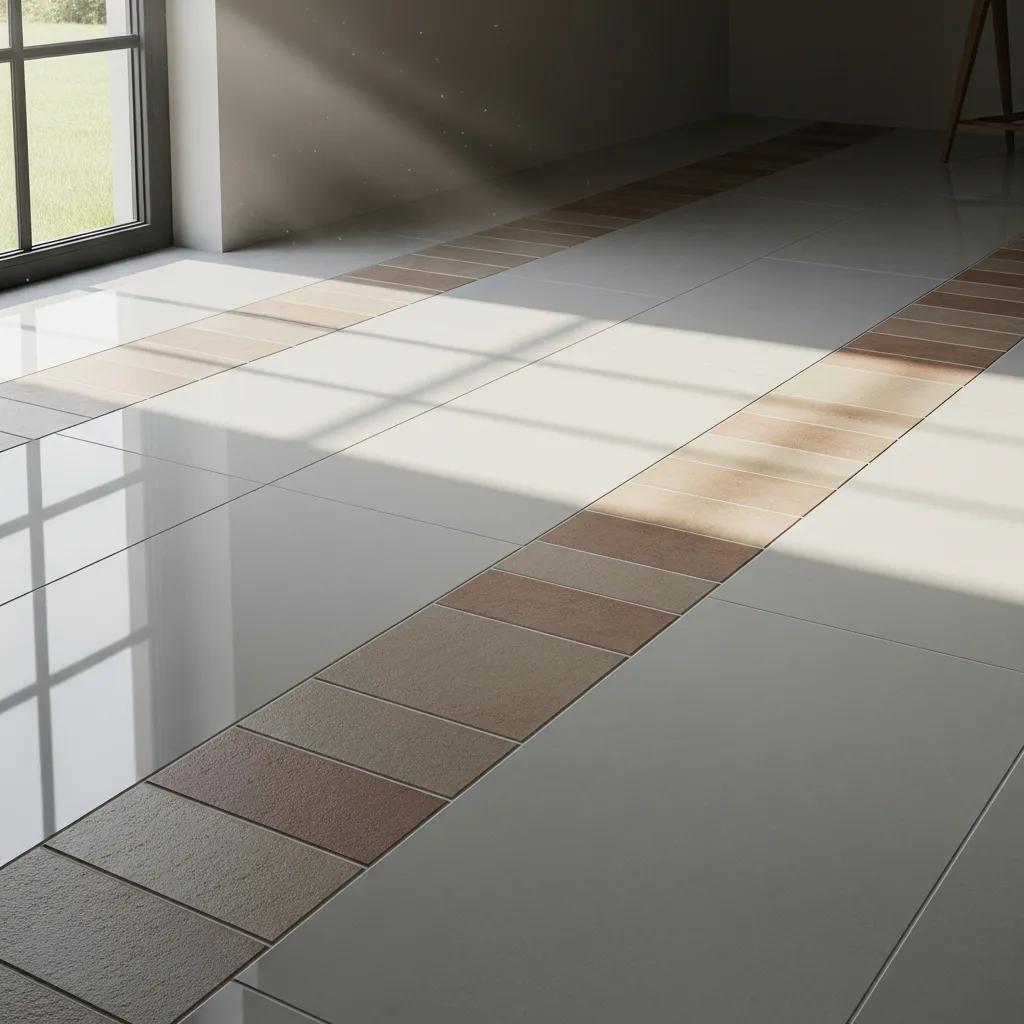
When it comes to selecting the right flooring for your home or business, understanding the differences between porcelain and ceramic tile is crucial. Both materials offer unique benefits and drawbacks, making them suitable for various applications. This guide will delve into the key distinctions, durability, cost considerations, maintenance tips, and ideal uses for each tile type. By the end of this article, you will be equipped with the knowledge to make an informed decision that aligns with your specific needs and preferences.
What Are the Key Differences Between Porcelain and Ceramic Tiles?
Porcelain and ceramic tiles are both popular choices for flooring, but they differ significantly in composition, manufacturing processes, and performance characteristics. Understanding these differences can help you choose the right tile for your space.
How Do Porcelain and Ceramic Tiles Differ in Material Composition and Manufacturing?
Porcelain tiles are made from a denser clay that is fired at higher temperatures compared to ceramic tiles. This process results in a more durable and water-resistant product. The higher firing temperature also contributes to porcelain's lower porosity, making it less susceptible to moisture damage. In contrast, ceramic tiles are typically made from a mixture of clay and other materials, which are fired at lower temperatures, resulting in a less dense and more porous tile.
What Are the Distinct Durability and Water Absorption Characteristics of Each Tile Type?
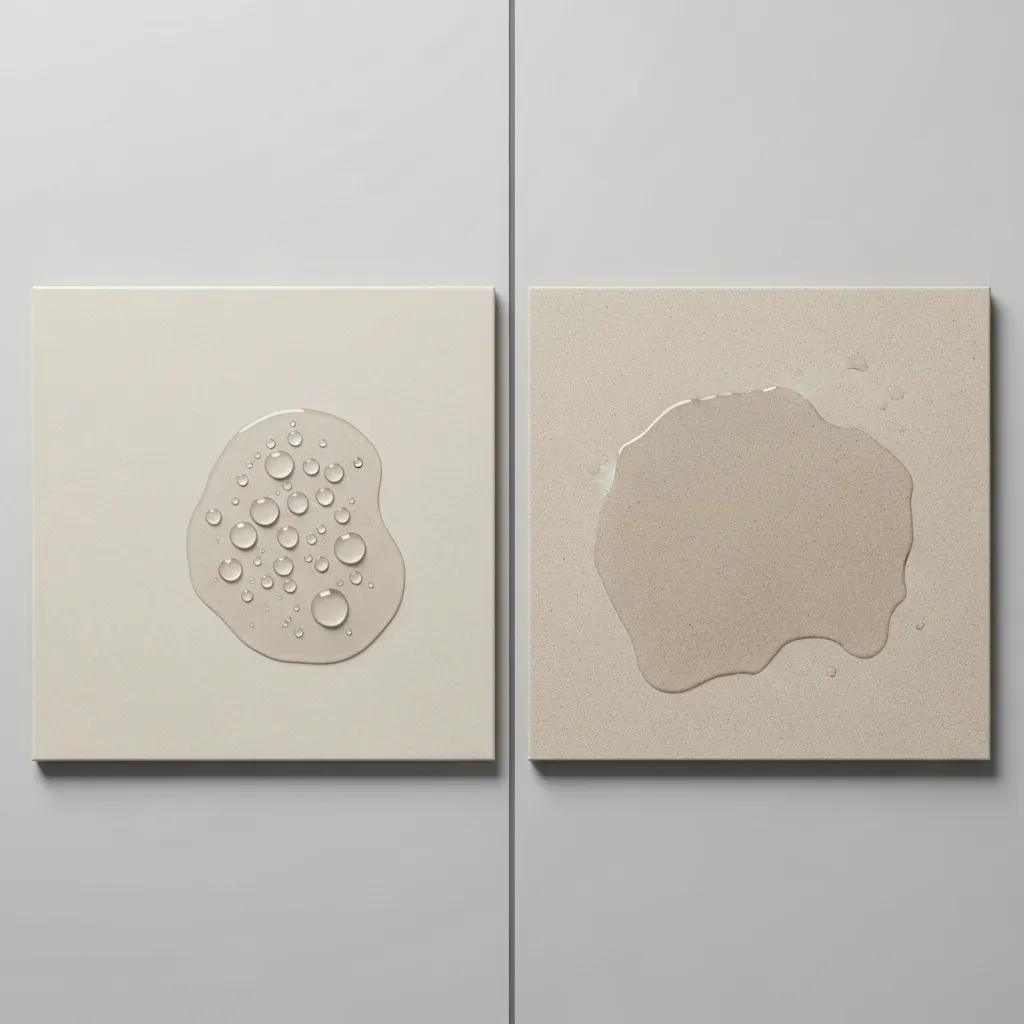
Porcelain tiles are known for their superior durability and water resistance, making them ideal for high-traffic areas and moisture-prone environments. They have a water absorption rate of less than 0.5%, which means they are less likely to crack or warp when exposed to water. Ceramic tiles, while still durable, have a higher water absorption rate of around 1% to 3%, making them more suitable for dry areas or residential settings where moisture exposure is minimal.
How Does Tile Durability Impact Your Flooring Choice?
The durability of tile flooring plays a significant role in determining its suitability for various applications. Choosing the right tile can save you money on maintenance and replacement costs in the long run.
Why Is Porcelain Tile Durability Superior for High-Traffic Areas?
Porcelain tiles are particularly well-suited for high-traffic areas due to their higher density and lower porosity. This makes them resistant to scratches, stains, and wear, ensuring they maintain their appearance over time. In commercial settings, where foot traffic is heavy, porcelain tiles can withstand the demands of daily use without showing signs of wear.
What Are the Pros and Cons of Ceramic Tile Durability in Residential Settings?
Ceramic tiles offer several advantages in residential settings, including a wide variety of designs and lower initial costs. However, their durability can be a concern in high-traffic areas. While they can withstand normal wear and tear, they are more prone to chipping and cracking compared to porcelain tiles. Homeowners should consider the specific use of the space when selecting ceramic tiles to ensure they meet durability requirements.
What Are the Cost Considerations for Porcelain vs Ceramic Tile Flooring?
When choosing between porcelain and ceramic tiles, cost is an important factor to consider. Understanding the price differences and associated installation costs can help you make a more informed decision.
How Does Porcelain Tile Cost Per Square Foot Compare to Ceramic Tile?
Porcelain tiles generally cost more per square foot than ceramic tiles due to their manufacturing process and superior durability. On average, porcelain tiles range from $4 to $12 per square foot, while ceramic tiles typically cost between $1 to $6 per square foot. This price difference reflects the quality and longevity of the materials.
What Budget Factors Should Homeowners and Contractors Consider When Selecting Tiles?
Homeowners and contractors should consider several budget factors when selecting tiles, including material costs, installation expenses, and long-term maintenance requirements. While porcelain tiles may have a higher upfront cost, their durability can lead to lower maintenance and replacement costs over time. Additionally, installation costs can vary based on the complexity of the project and the type of tile chosen.
Historical data further emphasizes the cost-effectiveness of tile flooring installation compared to other options.
Tile Flooring Installation Costs & Wear Life
tile had the lowest average installation cost $35 per 100 square feet - and an average wear life of 17.7 years. Hardwood flooring had the highest average installation cost
Flooring costs: a comparison of installation and maintenance costs for three types of residential flooring, 1968
How Should You Maintain Porcelain and Ceramic Tile Flooring for Longevity?
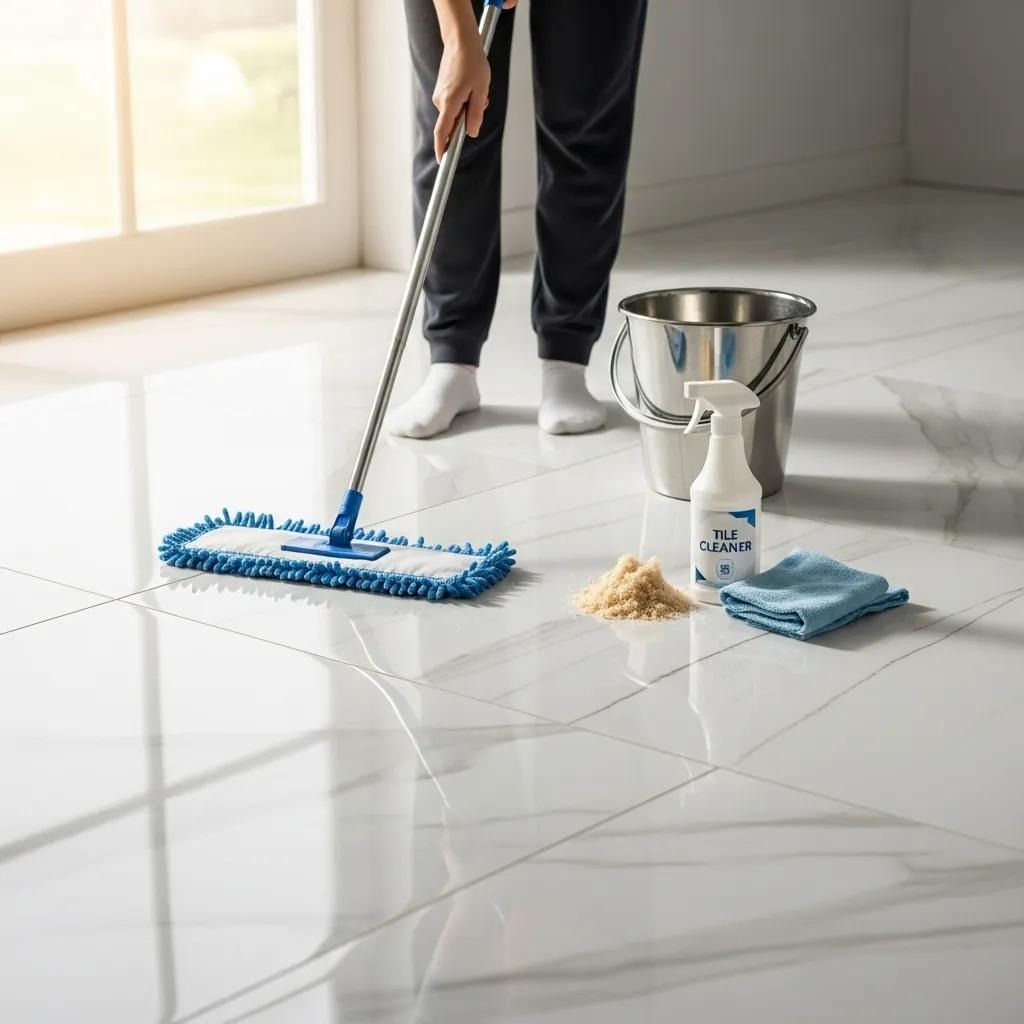
Proper maintenance is essential for preserving the appearance and functionality of both porcelain and ceramic tile flooring. Understanding the specific maintenance requirements for each type can help extend their lifespan.
Indeed, the long-term economic and environmental impact of flooring is heavily influenced by ongoing maintenance efforts.
Flooring Maintenance Costs & Economic Impact
Maintenance procedures may account for a significant portion of environmental and economic impacts of floorings. In the case of environmental scores, adding high maintenance to the life cycle can increase scores by anywhere from 31 % (hardwood) to 114 % (carpet). A sensitivity analysis of these scores shows that most of the score increase can be attributed to vacuuming. Maintenance costs considerably increase the total cost, accounting for 49 % of hardwood’s total cost and about 30 % of costs for linoleum, vinyl, and carpet.
Impact of maintenance on life cycle impact and cost assessment for residential flooring options, 2015
What Are Effective Ceramic Tile Maintenance Tips to Preserve Appearance and Function?
- Regular Cleaning: Sweep or vacuum regularly to remove dirt and debris, followed by mopping with a mild detergent.
- Prompt Spill Cleanup: Address spills immediately to prevent staining and damage.
- Periodic Resealing: Reseal grout lines every few years to protect against moisture and staining.
How Does Porcelain Tile Maintenance Differ and What Are Best Practices?
- Simple Cleaning: Use a damp mop with a pH-neutral cleaner to maintain shine without damaging the surface.
- Less Frequent Sealing: Unlike ceramic tiles, porcelain tiles do not require sealing, making them easier to care for.
- Avoid Harsh Chemicals: Steer clear of abrasive cleaners that can scratch the surface.
Which Tile Flooring Options Are Best for Kitchens and Bathrooms?
Choosing the right tile for kitchens and bathrooms is crucial due to the high moisture levels in these areas. Both porcelain and ceramic tiles have their advantages depending on the specific needs of the space.
Why Is Porcelain Tile Recommended for Moisture-Prone Areas Like Kitchens?
Porcelain tiles are highly recommended for kitchens and bathrooms due to their exceptional water resistance. Their low absorption rate prevents water from seeping into the tile, reducing the risk of mold and mildew growth. Additionally, their durability makes them ideal for areas that experience spills and heavy foot traffic.
When Is Ceramic Tile Suitable for Residential Kitchen and Bathroom Floors?
Ceramic tiles can be suitable for residential kitchens and bathrooms when chosen carefully. Homeowners should select ceramic tiles with a low water absorption rate and ensure they are rated for wet areas. While they may not offer the same level of water resistance as porcelain, high-quality ceramic tiles can still perform well in these environments with proper maintenance.
What Are the Installation Considerations for Porcelain and Ceramic Tiles?
Understanding the installation process for both porcelain and ceramic tiles is essential for achieving a successful flooring project. Each type has unique requirements that can impact the overall installation experience.
How Do Installation Processes Differ Between Porcelain and Ceramic Tiles?
The installation processes for porcelain and ceramic tiles differ primarily due to their density and weight. Porcelain tiles often require a more robust subfloor and may need specialized tools for cutting. In contrast, ceramic tiles are generally easier to handle and can be installed using standard tools. Proper preparation and planning are crucial for both types to ensure a successful installation.
What Should Contractors and Homeowners Know About Installation Costs and Timeframes?
Installation costs can vary significantly based on the type of tile, the complexity of the project, and regional labor rates. On average, homeowners can expect to pay between $4 to $10 per square foot for installation. Timeframes for installation can range from a few days to a week, depending on the size of the project and the type of tile being installed. Proper planning and hiring experienced professionals can help streamline the process and ensure quality results.
For a wide selection of flooring options, including both porcelain and ceramic, consider exploring OP Floors.